5 Things Nobody Tells You Before Starting Alison’s Control Valve Basics
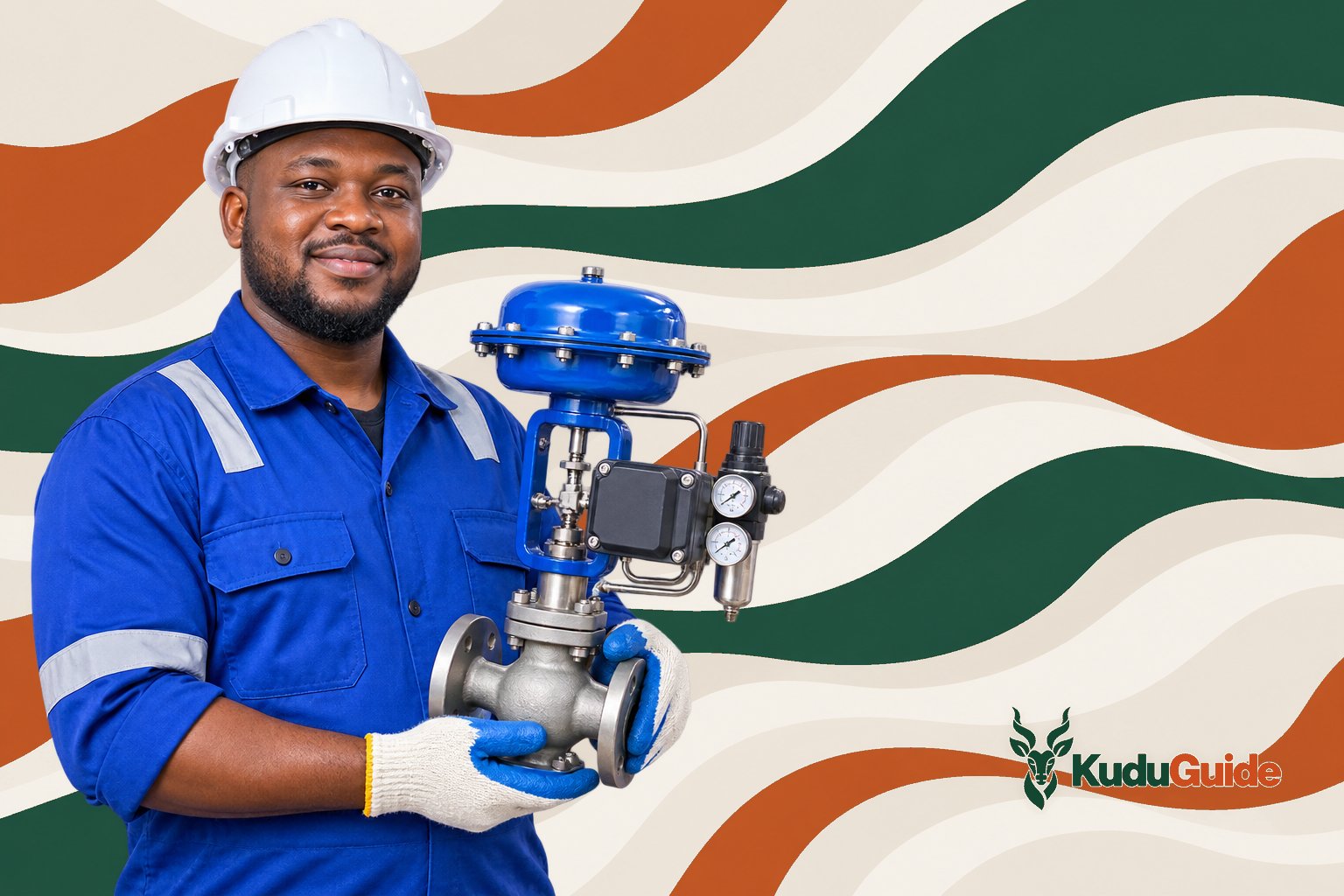
If you’re looking to build a foundation in industrial engineering, the idea of mastering control valves might sound straightforward. Many learners sign up for Alison’s “Industrial Engineering – Control Valve Basics” thinking it will be a quick way to understand how valves work in real-world systems, only to find out there are important details that can catch you off guard.
This article explains the five key things you should check before starting this certificate course. By the end, you’ll know exactly what to expect—and what not to expect—so you can make the most of your time and avoid common surprises.
What to Know Before You Dive Into Control Valve Basics
1. You Won’t Learn Sizing or Advanced Calculations
Many expect a course on control valves to cover not just types and parts, but also how to size a valve for a real system or calculate flow rates. In reality, this Alison course focuses on terminology, identification, and basic function. If you’re hoping for step-by-step sizing formulas or detailed engineering calculations, you’ll need to look elsewhere.
What to do: Use this course as a foundation, then seek specialised resources or advanced courses if you need to design or specify valves for projects.
2. Visual Recognition Is Taught—But Not Hands-On Practice
Expectation: You’ll get hands-on experience or interactive simulations.
Reality: The course helps you identify valve types visually, often through images and descriptions, but there’s no practical component or lab work. You won’t be disassembling or installing real valves.
What to do: Supplement your learning by watching demonstration videos online, or, if possible, arrange to observe real valves in a lab or workplace.
3. The Certificate Is Optional and Paid
It’s easy to assume the certificate comes free with course completion. However, while you can study all content at no cost, Alison charges a fee for the official digital or printed certificate. The certificate is issued by Alison and is not an official professional engineering qualification.
What to do: Decide if you need the certificate before starting. If you only want the knowledge, you can complete the course entirely for free. Go to the official course page.
4. You’ll Learn Valve Types, Not System Integration
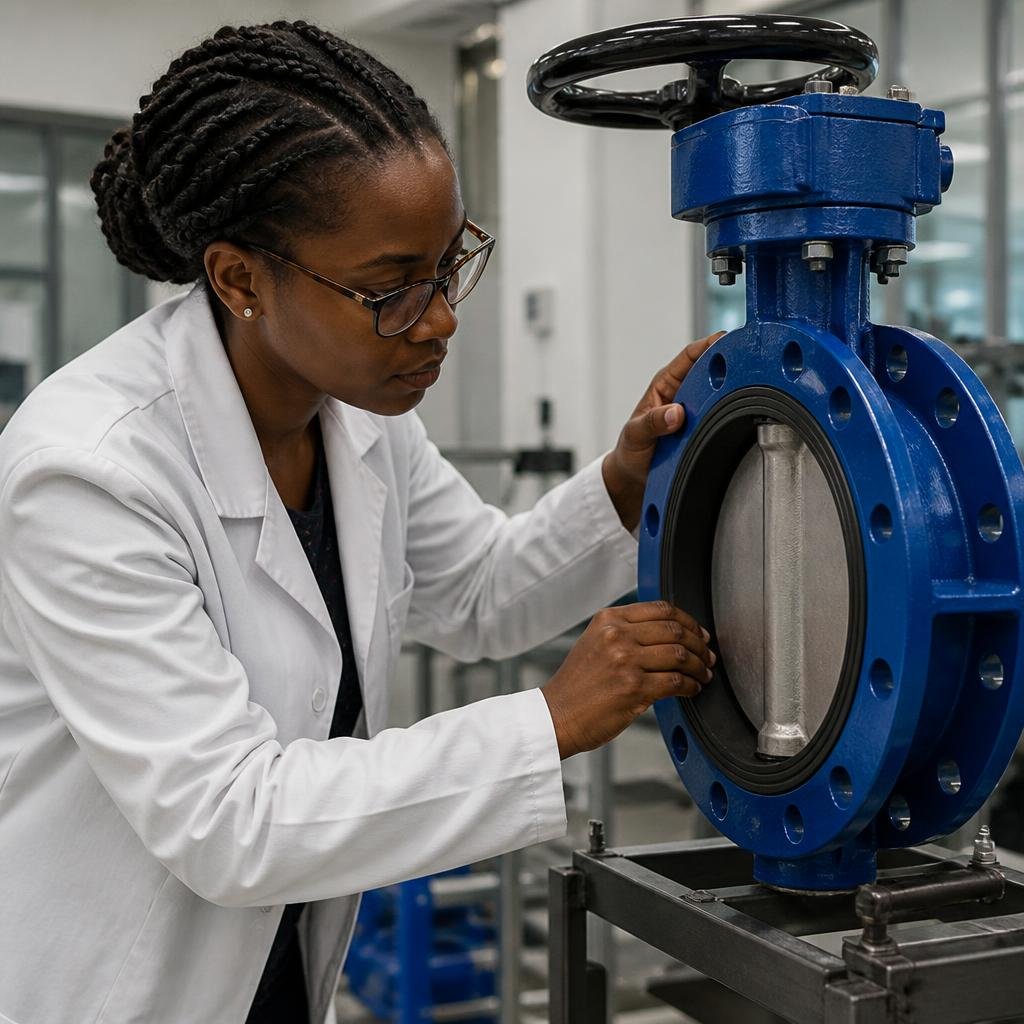
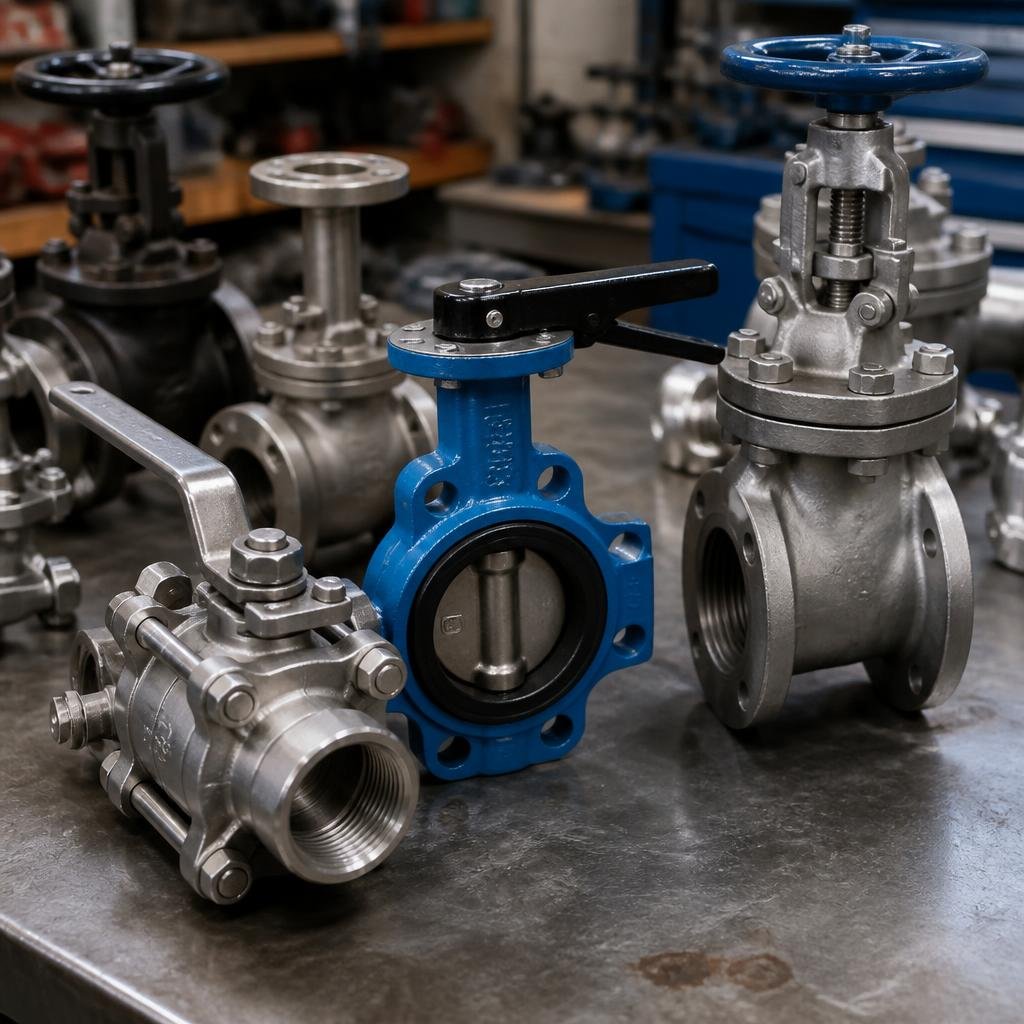
This course covers the basics: how different valves work (ball, butterfly, diaphragm, gate, globe, safety, relief, pinch, and more), their components, and how to choose a valve for a basic application. It does not teach how to integrate valves into complex industrial systems, automate controls, or troubleshoot system-wide issues.
Example: You’ll know the difference between a globe and a gate valve, but not how to wire a control valve to a programmable logic controller (PLC).
5. No Prior Engineering Experience Required—But Some Technical Reading Is Needed
Expectation: Anyone can jump in with zero background.
Reality: The course is beginner-friendly and doesn’t require prior engineering experience, but you should be comfortable reading technical descriptions and diagrams. If you struggle with basic mechanical vocabulary, you might need to review some terms as you go.
What to do: Keep a glossary handy and pause to look up unfamiliar words. The course is designed to introduce concepts step by step, but self-motivation helps.
Comparing Common Industrial Valves: Motion, Application, and Selection
Control valves are essential for regulating the flow of liquids and gases in industrial systems. The two main categories are linear motion valves (such as gate and globe valves) and rotary motion valves (like ball and butterfly valves).
- Linear motion valves move a closure element in a straight line to start, stop, or throttle flow. Gate valves are typically used for on/off control, while globe valves are better for regulating flow.
- Rotary motion valves use a rotating element to control flow. Ball valves are known for quick shut-off and minimal pressure drop, making them ideal for applications needing fast action. Butterfly valves, with their compact design, are often chosen for large-diameter pipes where space and weight are concerns.
Each valve type has its own strengths and weaknesses. For example, a ball valve is simple and reliable for shut-off, but not ideal for precise flow control. A globe valve offers better throttling but can cause more pressure drop. Choosing the right valve depends on the specific needs of your system—considering factors like pressure, temperature, flow rate, and the nature of the fluid.
Who Will Benefit Most—and What to Do Next
This course is best for those who want a clear introduction to control valve basics, especially if you’re new to industrial engineering or need to recognise valve types in the field. It’s not designed for advanced engineers or those needing in-depth design or integration skills.
If you complete this course and want to go further, look for advanced training in valve sizing, system integration, or automation. Remember: the Alison certificate is a record of course completion, not a professional engineering qualification. Always check with employers or local authorities if you need an officially recognised credential.
OFFICIAL SOURCES
- Alison, Industrial Engineering – Control Valve Basics: https://alison.com/course/industrial-engineering-control-valve-basics
This website is an independent guide. We are not affiliated with, or endorsed by, Alison, nor by any certification body mentioned in this article. Course content, prices, entry requirements and application dates are set by the provider and can change at any time. Always confirm the current details on the official course page before enrolling.