
Is Alison’s Dementia Care Certificate Right for Your Caregiving Goals?

If you are supporting a family member with dementia or considering a role in home care, you might be looking for practical guidance on what dementia is, how it progresses, and the best ways to communicate and support those affected. Many people turn to short online courses to build confidence and basic skills before taking on more formal responsibilities.
This article explains exactly what you’ll learn in Alison’s “Caregiving Skills – Dementia Care” certificate course, who it’s best suited for, and when you might need a different path. We’ll also cover how the certificate is issued, what it costs, and how this course fits into the broader caregiving field.
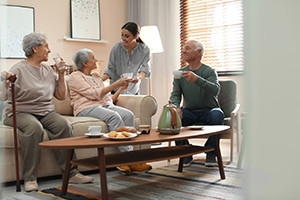
Verdict: Who Should Choose This Dementia Care Certificate?
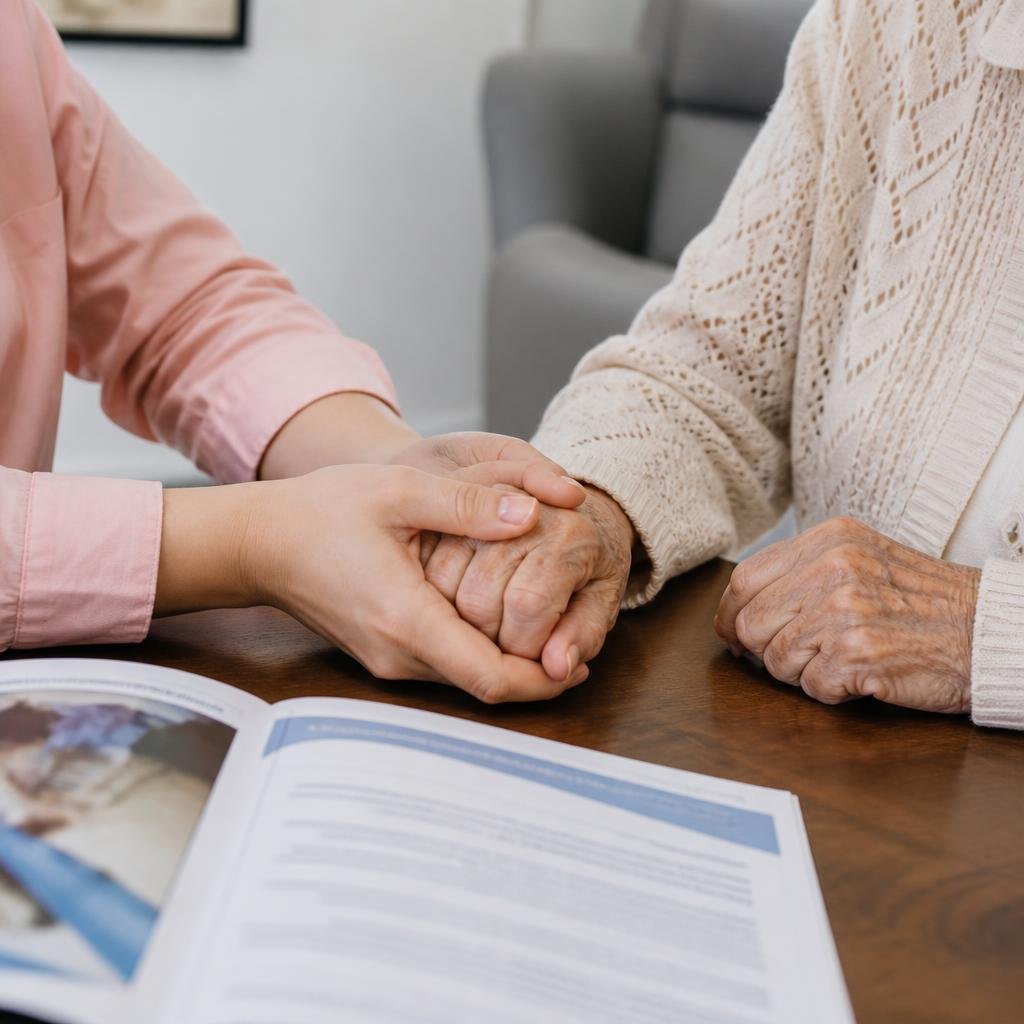
Best for: Beginners, family members, and entry-level care workers who need a clear overview of dementia and practical communication strategies.
Not for: Those seeking a professional qualification, advanced clinical skills, or a credential recognised by employers or authorities.
Bottom line: Alison’s Dementia Care course is a practical, accessible introduction to dementia support, but it is not a professional qualification and does not replace formal training or licensing where required.
What You Actually Learn: Course Content and Structure
Alison’s Dementia Care course focuses on the essentials of understanding and supporting people living with dementia. The course covers:
- Defining Dementia: What dementia is, and how to differentiate common types by their features and symptoms.
- Stages of Alzheimer’s Disease: How symptoms and support needs change from early to late stages.
- Family and Care Partner Support: How to assist families after a diagnosis.
- Behaviour and Communication Changes: Recognising and responding to changes in mood, communication, and behaviour.
- Person-Centred Care: The importance of dignity, choice, comfort, and personal history in support.
- Communication Techniques: Respectful verbal and non-verbal strategies for interacting with people with dementia.
- Role of the Care Worker: Observing, supporting, documenting, and reporting changes.
- Meaningful Activities: Choosing activities and psychosocial approaches that match the person’s needs and preferences.
- Young-Onset Dementia: How age, roles, and relationships affect support needs.
- Assistive Technologies: Tools that support orientation, communication, and independence.
The course is designed to be completed in 1.5 to 3 hours and is available in English and Spanish.
Dementia, Alzheimer’s, and Person-Centred Care: Key Differences and Practical Use
Dementia is a general term for a decline in mental ability severe enough to interfere with daily life. Alzheimer’s disease is the most common type of dementia, but there are others, such as vascular dementia and Lewy body dementia, each with unique symptoms and progression patterns.
- Dementia vs. Alzheimer’s: Alzheimer’s is a specific disease, while dementia describes a group of symptoms affecting memory, thinking, and social abilities.
- Stages: Dementia typically progresses from mild memory loss to severe cognitive decline. Early stages may involve forgetfulness and confusion, while later stages can include loss of communication and independence.
- Person-Centred Care: This approach focuses on the individual’s history, preferences, and dignity—rather than just their symptoms. For example, using familiar music or routines can help reduce anxiety and support well-being.
- Communication: People with dementia may have trouble finding words or understanding others. Caregivers learn to use simple language, maintain eye contact, and use non-verbal cues like touch or gestures to communicate respect and reassurance.
Understanding these differences helps caregivers provide more effective support and adapt to the changing needs of those with dementia.
Pros and Cons of This Course
Pros:
- Focuses on practical communication and support strategies for dementia care.
- Covers both family and professional caregiving contexts.
- Short duration—can be completed in a single sitting.
- Available in English and Spanish.
- Free to study, with optional paid certificate.
Cons:
- Does not offer hands-on or clinical training.
- Certificate is not a professional qualification and may not be recognised by employers or authorities.
- No detailed modules or assessment structure listed on the course page.
- Not suitable for those seeking advanced skills or formal credentials.
When to Skip This Course—and What to Do Instead
You should consider skipping this course if:
- You need a recognised professional qualification: This course does not replace formal training or licensing. If you plan to work in a regulated care environment, check with the authority in your country for required qualifications.
- You already have experience in dementia care: The content is introductory and may not add value for experienced caregivers or healthcare professionals.
- You are looking for in-depth clinical skills: This course does not cover medical procedures or advanced behavioural interventions.
Alternative paths: If you need a formal credential, look for accredited training programmes through local health authorities or recognised institutions. For more advanced study, consider courses that include supervised practice or are linked to professional bodies.
Key Practical Details: Cost, Certificate, and Enrolment
- Study cost: Free to study online.
- Certificate: Optional paid certificate available upon successful completion. This is issued by Alison and is not a professional qualification.
- Enrolment: Open to anyone; no prerequisites listed.
- Access: Course content can be downloaded via the Alison app for offline study.
Go to the official course page: Caregiving Skills – Dementia Care on Alison
Note: The certificate issued is not an official professional qualification. Always check with the employer or authority in your country if you need a specific licence or credential to work as a caregiver.
Dementia Care in the Job Market: Context and Salary
Caregiving roles, including dementia care, are in demand across many sectors, but specific requirements and recognition vary. In Nigeria, the official labour force breakdown includes domestic, hotel, and office cleaners and helpers as elementary occupations in demand, but caregivers are not specifically mentioned (Nigerian Bureau of Statistics).
For South Africa, Indeed lists the average monthly salary for caregivers at R8,891 (2026). Always confirm local requirements and expectations before seeking employment in this field.
Comparing Next Steps: Take Another Alison Course or Pursue Professional Certification?
After completing Alison’s Dementia Care certificate, your next step depends on your goals:
- Continue with Alison: If you want to deepen your understanding or broaden your skills, Alison offers other caregiving and health-related courses. This is a good choice if you are still exploring the field or supporting a family member.
- Professional certification: If you aim to work as a professional caregiver in a regulated setting, you will likely need a formal qualification and possibly a licence. Check with your local health authority or a recognised training provider for the appropriate path.
Choose Alison’s course if you want an accessible introduction or are supporting someone informally. Choose a formal training programme if you need a credential for employment or regulated care work.
FAQ: Dementia Care Certificate on Alison
Can I access the course offline?
Yes, you can download the course using the Alison app for offline study.
Is there a time limit to complete the course?
No time limit is specified; you can study at your own pace.
Do I need prior experience to take this course?
No prior experience or qualifications are required.
Is the certificate recognised by employers?
The certificate is issued by Alison and is not an official professional qualification. Recognition varies; check with employers or authorities in your country.
What language is the course available in?
English and Spanish.
OFFICIAL SOURCES
- Alison, Caregiving Skills – Dementia Care: https://alison.com/course/caregiving-skills-dementia-care-revised
- Nigerian Bureau of Statistics, Annual Nigerian Labour Force Survey Report: https://www.nigerianstat.gov.ng/pdfuploads/Annual_Nigerian_Labour_Force_Survey_Report.pdf
- Indeed, Caregiver Salaries in South Africa: https://za.indeed.com/career/caregiver/salaries
This website is an independent guide. We are not affiliated with, or endorsed by, Alison, nor by any certification body mentioned in this article. Course content, prices, entry requirements and application dates are set by the provider and can change at any time. Always confirm the current details on the official course page before enrolling.