Introduction to Caregiving vs Diploma in Mental Health: Which Alison Course Fits You?
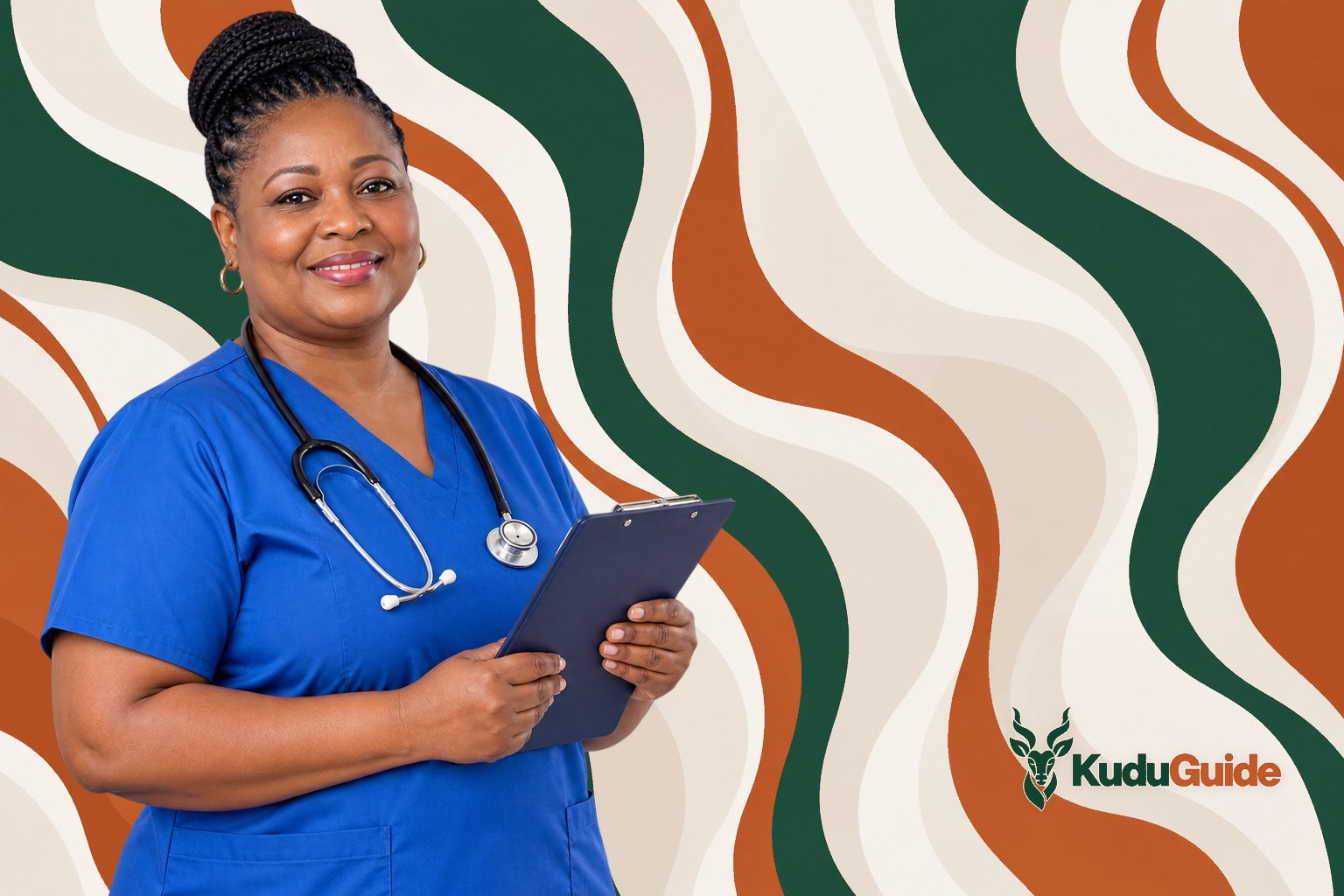
Caring for others—whether elderly parents, people with disabilities, or clients in a professional setting—often starts with a simple question: what skills do I actually need, and how do I prove I have them? If you’re considering a career in caregiving or want to formalise your experience, you’ll likely face a choice between starting with a short certificate course or aiming for a more comprehensive diploma.
This article breaks down the differences between Alison’s “Introduction to Caregiving” Certificate and the “Diploma in Mental Health” course. We’ll explain what each covers, who they’re best for, and how to decide which fits your goals. By the end, you’ll know what to expect from each option and how to get started.
Choosing Between a Certificate and a Diploma in Caregiving
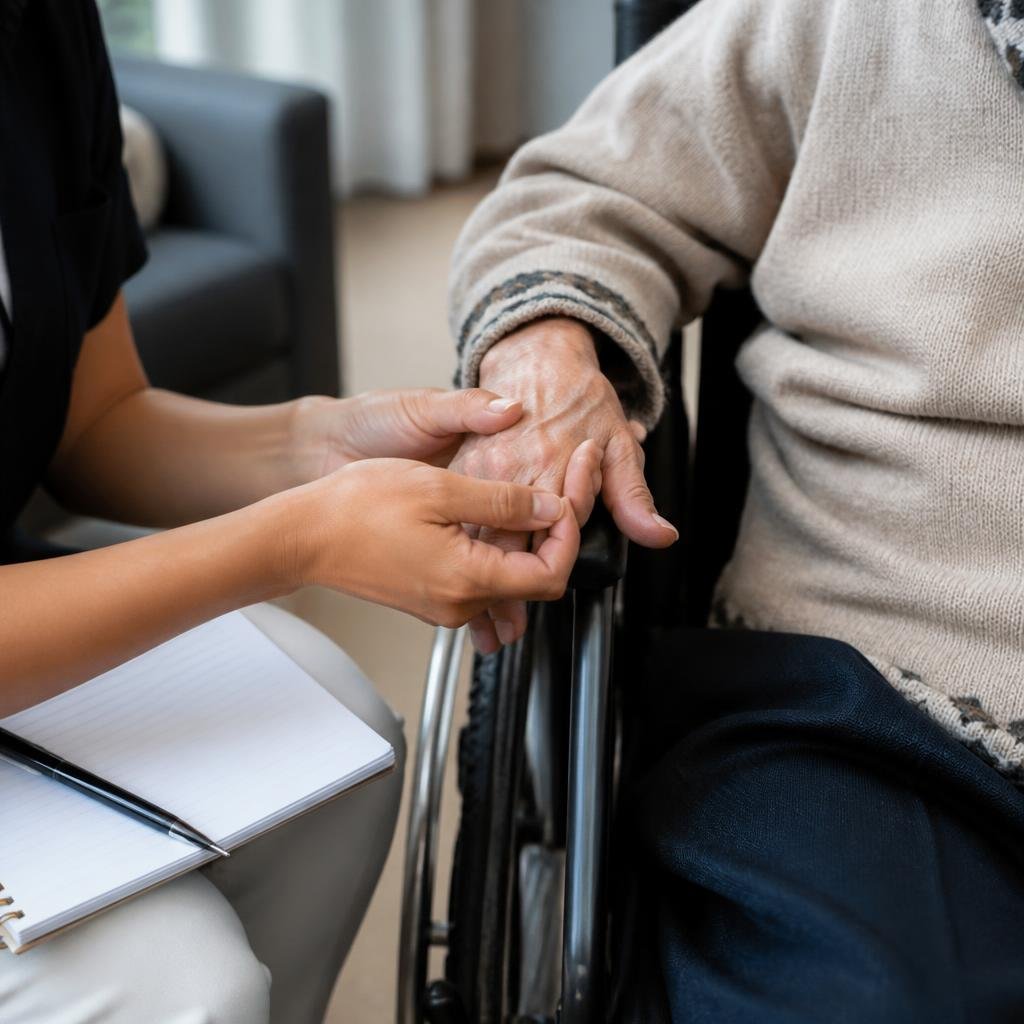
If you’re new to caregiving, you might wonder if a short certificate is enough—or if you should invest more time in a diploma. Maybe you’re already working in a care environment and want to boost your credentials, or perhaps you’re caring for a family member and need practical knowledge fast.
The two main options on Alison are:
- Introduction to Caregiving (Certificate): A focused, beginner-friendly course covering the basics of caregiving, legal and ethical responsibilities, and communication skills.
- Diploma in Mental Health (Diploma): As its title suggests, this is a broader, more in-depth programme focused on mental health topics, suitable for those seeking a deeper understanding or a credential with a wider scope.
Let’s look at what each path offers and where they differ.
Core Skills in Caregiving: What You Need to Know
Caregiving is more than just helping with daily tasks. At its core, it involves understanding the needs and rights of those you support, working within a team, and managing your own stress and boundaries. Here are some essential concepts every caregiver should know:
- Roles and Responsibilities: Carers provide personal support, help with daily living, and sometimes administer medication. They must respect the dignity and independence of those they care for.
- Legal and Ethical Issues: Caregivers need to be aware of privacy laws, confidentiality, and the rights of clients. Recognising and reporting abuse is a critical responsibility.
- Communication Skills: Effective carers communicate clearly with clients, families, and healthcare teams. This includes adapting communication styles for people with disabilities and using both verbal and non-verbal cues.
- Managing Stress and Organisation: Caregiving can be demanding. Knowing how to manage stress, organise tasks, and set boundaries is essential for both the caregiver’s and the client’s wellbeing.
- Working with Special Needs: Understanding how to support elderly clients or those with disabilities—such as mobility, vision, or hearing impairments—is a key part of the role.
These fundamentals apply whether you’re working in a hospital, a care home, or supporting someone at home.
Certificate vs Diploma: Key Differences
| Feature | Introduction to Caregiving (Certificate) | Diploma in Mental Health (Diploma) |
|---|---|---|
| Platform | Alison | Alison |
| Type of Document | Certificate (paid, optional) | Diploma (paid, optional) |
| Main Focus | Basics of caregiving, legal/ethical, communication, stress management | Mental health topics, broader in scope (as its title suggests) |
| Intended Audience | Beginners, new carers, family caregivers | Those seeking deeper knowledge in mental health or a more advanced credential |
| Duration | 1.5-3 hours | Check its official page |
| Language | English, Spanish | Check its official page |
| Cost to Study | Free | Check its official page |
| Certificate/Diploma Cost | Paid, optional | Paid, optional |
| Official Page | Introduction to Caregiving | Diploma in Mental Health |
For details on the Diploma in Mental Health, check its official page.
When the Certificate Course Is the Right Choice
Choose the “Introduction to Caregiving” Certificate if:
- You’re just starting out and want a quick, practical overview.
- You need foundational skills for caring for a family member or volunteering.
- You want to understand legal, ethical, and communication basics before committing to a longer course.
- You prefer a short course (about 2-3 hours) you can complete in a weekend.
This course is ideal for those who need to build confidence and basic knowledge fast, without a big time investment.
When the Diploma Might Be Better
Opt for the “Diploma in Mental Health” if:
- You are interested in mental health as a primary focus, either professionally or personally.
- You want a more comprehensive credential that covers a wider range of topics.
- You have some experience or prior study in health or caregiving and want to deepen your expertise.
- You’re aiming for a role that requires more detailed understanding or a longer, more in-depth course.
The diploma may take more time and effort but can provide a broader qualification, especially if you plan to work in mental health settings.
Practical Details: Studying, Certificate, and Enrolment
- Studying: Both courses are free to study on Alison. You can access materials in English (and Spanish for the certificate) and study at your own pace.
- Certificate/Diploma: After completing the course, you can purchase an official Alison certificate or diploma. These are digital or printed documents, but they are not official professional qualifications.
- Enrolment: Simply register on Alison, choose your course, and start learning. You can also download course materials in the Alison app for offline study.
- Official Pages: Go to the official course page for the certificate or Diploma in Mental Health for the diploma.
Note: The certificate or diploma issued by Alison is not an official professional qualification. If you need a credential recognised by employers or authorities in your country, check their specific requirements.
Which Course Fits Your Goals—and What Comes Next?
If you’re new to caregiving or want to support loved ones, the certificate course is a fast, practical starting point. For those planning a career in mental health or needing a more advanced credential, the diploma offers a deeper dive.
No matter which you choose, your next step after completing the course could be:
- Applying your skills in a volunteer or entry-level care role.
- Exploring more specialised courses (e.g., dementia care, elderly care).
- Checking local requirements if you plan to work professionally in healthcare.
Choose based on your current needs and future plans—and always confirm what employers or authorities expect in your region.
OFFICIAL SOURCES
- Alison, Introduction to Caregiving: https://alison.com/course/introduction-to-caregiving-revised
- Alison, Diploma in Mental Health: https://alison.com/course/diploma-in-mental-health
This website is an independent guide. We are not affiliated with, or endorsed by, Alison, nor by any certification body mentioned in this article. Course content, prices, entry requirements and application dates are set by the provider and can change at any time. Always confirm the current details on the official course page before enrolling.