
What You Learn in Alison’s Basics of Computer Networking

Understanding the difference between a network topology and a network protocol is a common stumbling block for beginners in IT. If you’re thinking about building your skills in computer networking, you might wonder what topics you’ll actually cover in Alison’s “Basics of Computer Networking” course—and what you’ll still need to learn elsewhere.
This article breaks down what you can expect to achieve after completing this Alison course. You’ll see how each topic connects to real-world tasks, what’s not included, and how this certificate fits into the broader IT field. We’ll also look at the demand for networking skills across South Africa, Kenya, and Nigeria, and what the job market looks like for those starting out.

Key Concepts: Topologies, Protocols, and Where They Matter
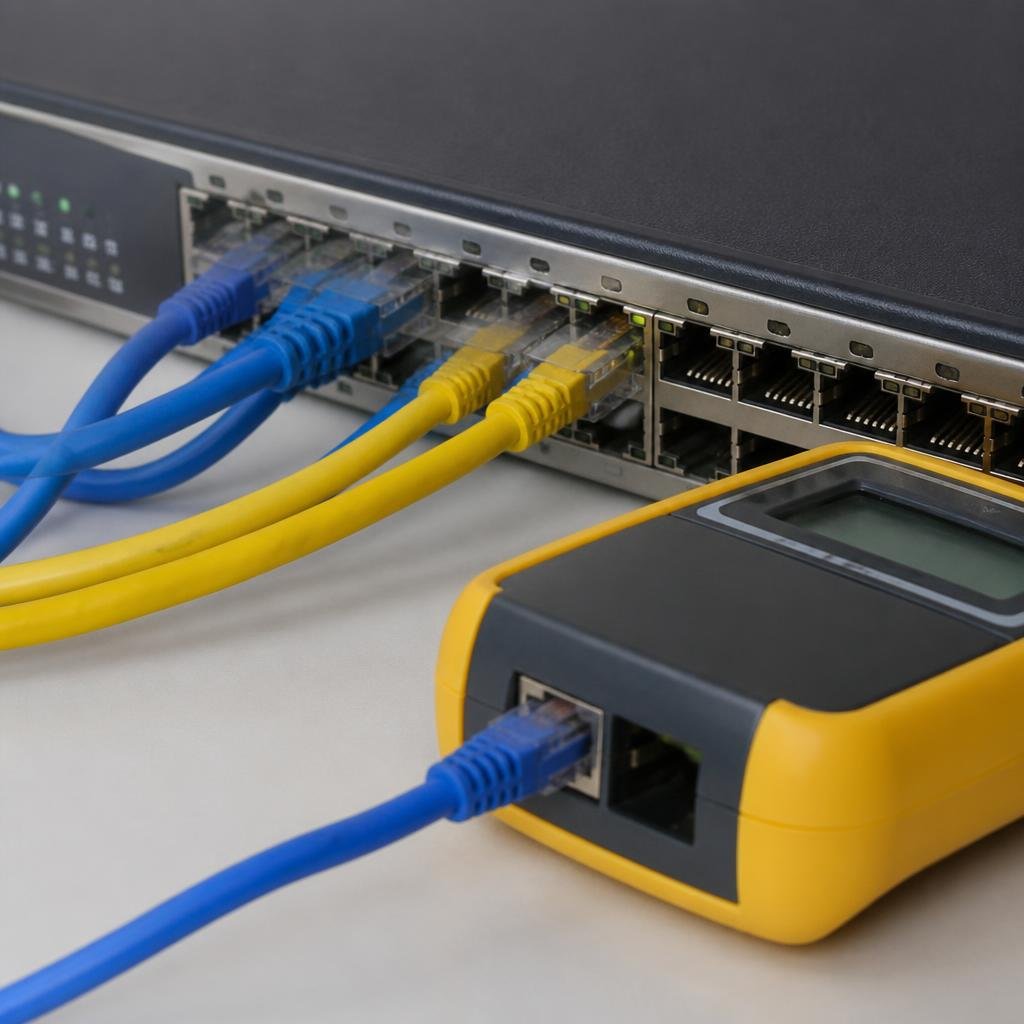
A computer network is simply a group of computers and devices connected together to share information and resources. Two foundational ideas in networking are network topology and network protocol. Topology describes the physical or logical layout of the network—think of it as the map showing how devices are connected (like star, bus, or ring layouts). Protocols, on the other hand, are the agreed rules that devices use to communicate, such as TCP/IP or HTTP. In practice, network topologies affect how you troubleshoot physical connections, while protocols determine how data is sent and received across the network. Understanding both is essential for anyone looking to support or design IT systems, as each plays a distinct role in network performance and reliability.
What Each Part of the Course Enables You to Do
The official Alison course page lists these learning outcomes, which map directly to practical skills:
1. Understanding Network Benefits and Components
- After this section, you’ll be able to explain why organisations use computer networks and describe the main hardware and software components involved.
- You’ll recognise typical devices (routers, switches, cables) and their roles in a network.
What’s missing: Setting up or configuring enterprise-level equipment is not covered.
2. Local Area Networks (LANs) and Their Configurations
- You’ll learn to identify different LAN setups and understand their uses in homes and offices.
- The course covers how LANs are structured and the basics of connecting multiple computers.
What’s missing: Advanced LAN management, such as VLANs or wireless access point configuration.
3. Network Topologies
- You’ll be able to distinguish between topologies like star, bus, and ring, and explain where each is used.
- This helps with troubleshooting and basic design decisions in small networks.
What’s missing: Hybrid topologies and large-scale enterprise designs.
4. OSI Model Layers
- You’ll learn the seven layers of the OSI model and what each layer does.
- This framework is essential for diagnosing network issues and understanding how data flows.
What’s missing: Deep dives into protocols specific to each layer.
5. Cables and Networking Tools
- The course explains different types of network cables (like Ethernet) and their functions.
- You’ll also see which basic tools (such as crimpers and cable testers) are used in network setup.
What’s missing: Fibre optic cabling, wireless networking tools, and advanced diagnostics.
6. Internet Protocols and Communication Requirements
- You’ll be able to list common internet protocols (TCP/IP, DHCP) and describe what’s needed for computers to communicate online.
- The course covers the basics of configuring DHCP and the parameters network hosts require.
What’s missing: Security protocols, IPv6 in depth, and advanced routing.
7. Operating Systems and Firewalls
- You’ll understand the role of operating systems in networking and the basic function of firewalls.
- This knowledge helps with simple network security setups.
What’s missing: Advanced firewall configuration, intrusion detection, and endpoint security.
Comparison: What the Course Covers vs. What You’ll Learn Only Through Practice or Advanced Study
| Course Outcome | What You Can Do After This Course | What Requires More Practice or Advanced Study |
|---|---|---|
| Identify network components | Recognise routers, switches, cables | Configure enterprise devices, manage network traffic |
| Understand LANs and topologies | Explain basic layouts and uses | Design large-scale or hybrid networks |
| OSI model and protocols | Describe layers and basic protocols | Troubleshoot multi-layer issues, master advanced protocols |
| Use basic networking tools | Identify and use simple tools | Use advanced diagnostics, fibre optics |
| Configure DHCP basics | Understand configuration steps | Manage complex DHCP setups, integrate with DNS |
| Basic firewall and OS functions | Explain their roles in security | Implement advanced security measures |
What the Course Does Not Cover
While the Alison course gives a solid overview, it does not include:
- Hands-on labs or simulations for configuring real devices.
- Advanced topics such as VLANs, wireless security, or enterprise-level routing.
- Preparation for professional certification exams like CompTIA Network+ or Cisco CCNA.
- In-depth troubleshooting scenarios or case studies.
- Assessment of local or international recognition for the certificate.
If you need practical experience or want to prepare for industry certification, you’ll need to look for more advanced or specialised courses.
Access, Certificate, and Cost: What to Expect
You can study this Alison course at no cost, and the content is available in both English and Spanish. If you want a certificate as proof of completion, you’ll need to purchase it separately from Alison. The certificate is issued by Alison and is not an official professional qualification. For full details or to enrol, visit the Go to the official course page.
Who Should (and Should Not) Take This Course
This course is a good fit if:
- You’re new to computer networking and want to understand the basics.
- You need a quick introduction to networking concepts for another IT course or job.
- You’re considering a career in IT support and want to see if networking interests you.
It’s not the right choice if:
- You already have hands-on experience with network configuration.
- You’re preparing for a professional certification exam.
- You need advanced skills in network security or enterprise networking.
Remember: the Alison certificate is not an official professional qualification. If you need a credential recognised by employers or licensing bodies, check the requirements in your country before relying on this course.
Networking Skills and Market Demand
Networking skills are in demand across Africa’s major economies. According to South Africa’s Department of Higher Education and Training, “Computer Network and Systems Engineer” is listed as a high-demand occupation in 2024. In Nigeria, the International Labour Organization highlights the country’s strong potential for digital jobs, especially for young people. For those considering a career path, PayScale lists monthly salaries for Systems Engineers (Computer Networking / IT) as R12,833 to R53,333 in South Africa and KES 25,833 in Kenya. These figures show that foundational networking skills can support entry into a growing field, though advanced roles require further study and experience.
Is This the Right First Step for You?
If you’re curious about networking or want to build a base for further IT study, Alison’s Basics of Computer Networking is a straightforward starting point. After completing it, your next step could be a more hands-on or certification-focused course, such as CompTIA Network+ or vendor-specific training. Always confirm what’s required in your region or by your target employer before committing to a learning path.
OFFICIAL SOURCES
- Alison, Basics of Computer Networking course page: https://alison.com/course/basics-of-computer-networking
- South Africa Department of Higher Education and Training, The 2024 National List of Occupations in High Demand: https://www.dhet.gov.za/Planning%20Monitoring%20and%20Evaluation%20Coordination/The%202024%20National%20List%20of%20Occupations%20in%20High%20Demand_A%20Technical%20Report.pdf
- ILO, Digital skills assessment Nigeria: https://www.ilo.org/media/85761/download
- PayScale, Systems Engineer (Computer Networking / IT) Salary South Africa: https://www.payscale.com/research/ZA/Job=Systems_Engineer_(Computer_Networking_%2F_IT)/Salary
- PayScale, Systems Engineer (Computer Networking / IT) Salary Kenya: https://www.payscale.com/research/KE/Job=Systems_Engineer_(Computer_Networking_/_IT)/Salary
This website is an independent guide. We are not affiliated with, or endorsed by, Alison, nor by any certification body mentioned in this article. Course content, prices, entry requirements and application dates are set by the provider and can change at any time. Always confirm the current details on the official course page before enrolling.