
Diploma in Computer Networking vs Digital Network Security: Key Differences

Starting out in computer networking often means choosing between building broad foundational knowledge or diving straight into security topics. The main difference between Alison’s "Diploma in Computer Networking" and "Computer Networking – Digital Network Security" is their focus: the diploma covers the essentials of how networks operate, while the security course, as its title suggests, zeroes in on protecting digital networks. This article explains what each course offers, how they compare, and when to choose one over the other.
If you’re deciding where to begin or which skill set to strengthen, this guide will help you understand the practical content, the type of certification you’ll receive, and which course better matches your goals in IT.

Two Paths in Networking: Diploma vs Security Course
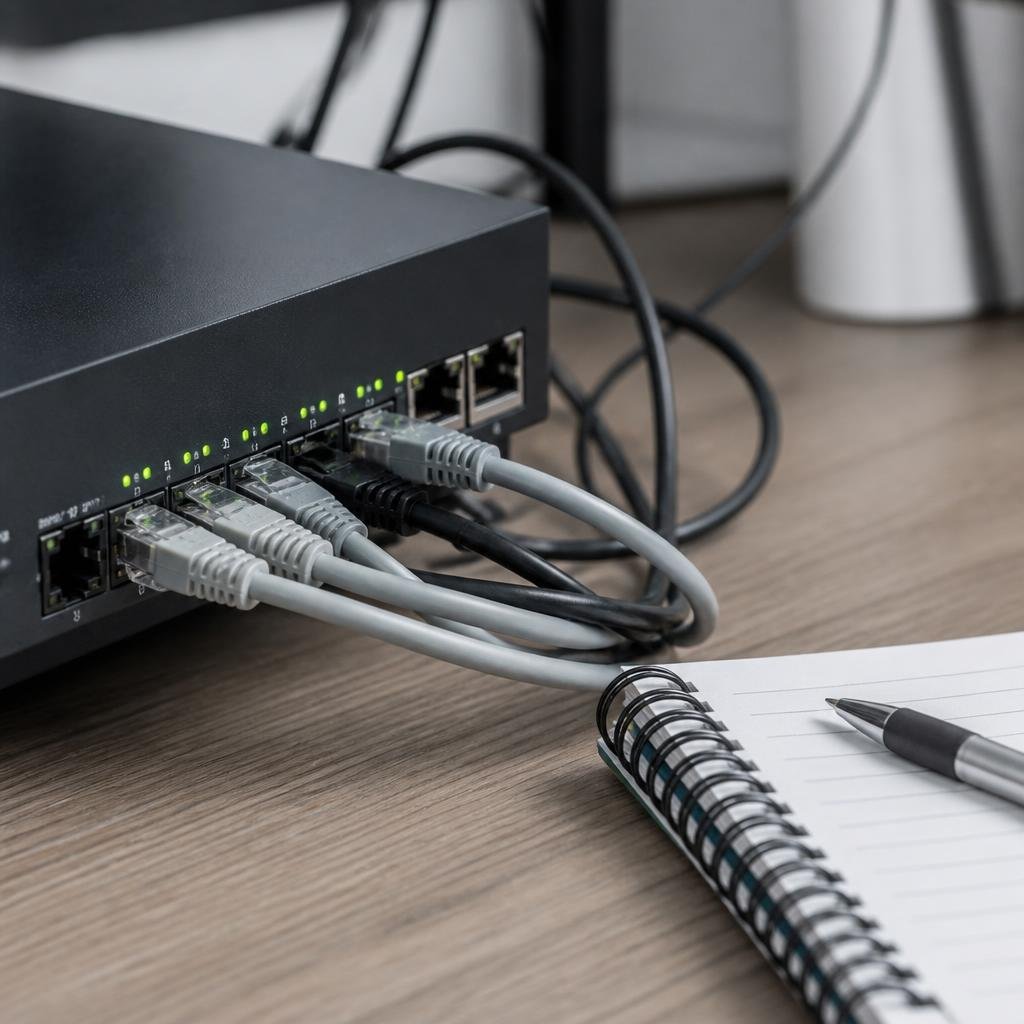
Both options are self-paced online courses on Alison. The "Diploma in Computer Networking" is designed to give you a broad understanding of how networks are built, how data moves, and the hardware and protocols behind it. On the other hand, "Computer Networking – Digital Network Security" (also on Alison) focuses specifically on the tools and techniques used to protect digital networks, as its title suggests.
The diploma is ideal if you’re new to networking or want a structured overview of the field. The security course is a good fit if you already understand the basics and want to focus on defending networks from threats.
Core Concepts: What You’ll Learn About Networking
Computer networking is the backbone of modern IT systems. At its core, networking involves connecting computers and devices so they can share information and resources. Here are some key concepts:
- Network Devices: Hubs, switches, and routers are the main hardware that direct data traffic. Hubs broadcast data to all devices, switches send data only to the intended device, and routers connect different networks together.
- IP Addresses: Every device on a network needs a unique identifier, known as an IP address. This allows data to find its way to the right destination.
- OSI and TCP Models: These are frameworks that describe how data moves through a network, from physical cables and wireless signals up to the applications people use.
- Wired vs Wireless: Wired networks use cables like twisted-pair or fibre, while wireless networks use radio waves (Wi-Fi).
- Network Security: Protecting networks involves using protocols, firewalls, and encryption to keep data safe from unauthorised access.
Understanding these basics is essential before specialising in areas like network security.
Comparing the Courses: Diploma in Computer Networking vs Digital Network Security
| Feature / Focus | Diploma in Computer Networking (Alison) | Computer Networking – Digital Network Security (Alison) |
|---|---|---|
| Main focus | Broad networking fundamentals | Digital network security (as its title suggests) |
| Type of document issued | Diploma (paid, optional) | Certificate (paid, optional) |
| Language | English, Spanish | Check its official page |
| Who it’s for | Beginners or those wanting a broad base | Those focusing on security topics |
| URL | Diploma in Computer Networking | Computer Networking – Digital Network Security |
Note: For details like duration, modules, and language of the security course, check its official page.
When to Choose the Diploma in Computer Networking
Choose the diploma if you:
- Want a comprehensive introduction to networking, including both hardware and protocols.
- Need to understand how networks are built and managed before specialising.
- Are preparing for roles like network administrator, IT support, or want to build a foundation for further study.
The diploma covers a wide range of topics, including LANs, WANs, the OSI model, DHCP, IP addressing, and basic network security. This makes it suitable for those starting out or anyone needing to strengthen their general networking knowledge.
When the Security Course Is the Better Fit

The "Computer Networking – Digital Network Security" course is a better option if:
- You already have a grasp of basic networking concepts and want to focus on security.
- Your main interest is in protecting digital networks from threats, understanding firewalls, encryption, and security protocols.
- You are aiming for roles that specifically require network security skills.
As its title suggests, this course narrows in on digital network security, rather than general networking.
Practical Details: Cost, Diploma, and Enrolment
- Studying the "Diploma in Computer Networking" is free on Alison. If you want the official diploma, there is a fee.
- The diploma is issued by Alison and is optional; you can complete the course and access the content at no cost.
- The document provided is not an official professional qualification—always check with employers or authorities in your country about recognition.
- To enrol, simply create a free Alison account and start the course. You can study online or download the Alison app for offline learning.
- For full details and current pricing, go to the official course page: Go to the official course page.
Choosing the Right Course and Next Steps
If you’re new to IT or want a broad understanding of how networks work, start with the diploma. If you already know the basics and want to specialise in network security, the security-focused course is the next logical step. In either case, after completing your chosen course, consider building hands-on experience—set up a small network at home, experiment with network tools, or look for entry-level IT support opportunities.
Remember, neither course provides an official professional certification. If you later want to pursue industry-recognised credentials, such as CompTIA Network+ or Cisco CCNA, these Alison courses can help you build the foundational knowledge needed to prepare for those exams.
OFFICIAL SOURCES
- Alison, Diploma in Computer Networking, https://alison.com/course/diploma-in-computer-networking-revised
- Alison, Computer Networking – Digital Network Security, https://alison.com/course/computer-networking-digital-network-security-revised
This website is an independent guide. We are not affiliated with, or endorsed by, Alison, nor by any certification body mentioned in this article. Course content, prices, entry requirements and application dates are set by the provider and can change at any time. Always confirm the current details on the official course page before enrolling.